What Is a Giclée Print?
What does giclée actually mean? How fine art giclée prints are produced, why paper matters and what to look for when buying wildlife art.
If you have been looking at fine art prints, you have probably seen the word giclée. It sounds technical, but the idea behind it is relatively simple.
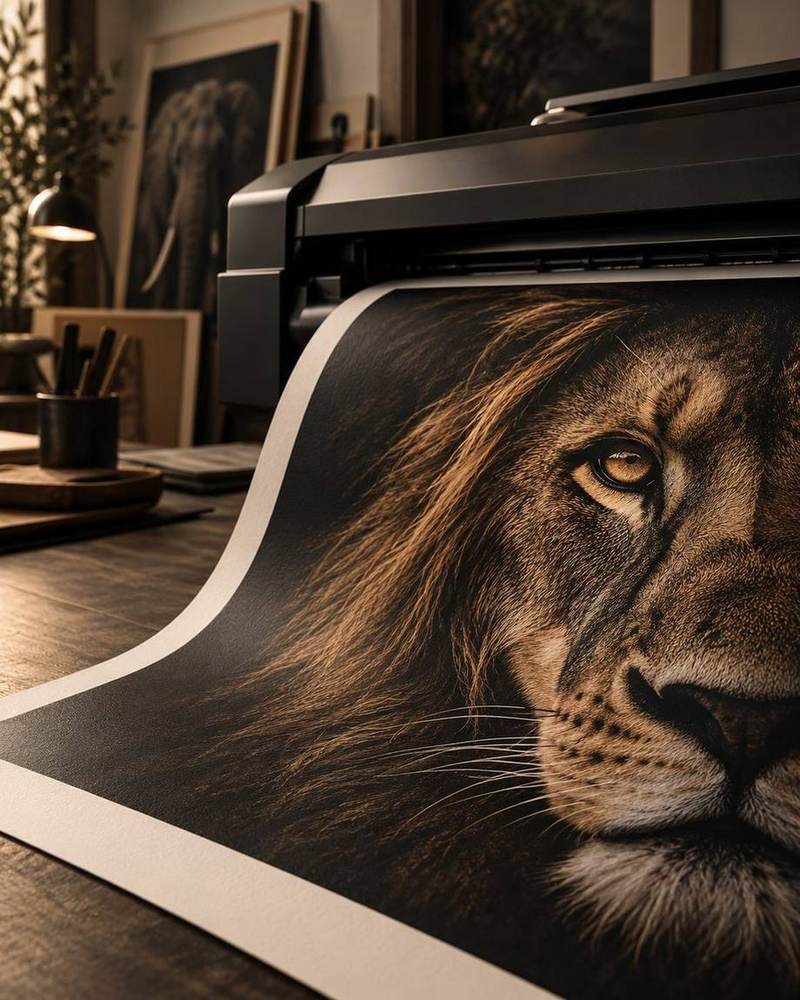
Giclée printing is a high-quality method used to reproduce artwork using professional inkjet printing equipment, specialist inks and carefully selected fine art papers. The aim is to reproduce the detail, colour and tonal range of the original artwork as faithfully as possible.
For collectors buying art online, understanding the printing method matters because two prints that look similar on a computer screen can feel very different when you see them in person.
What does giclée mean?
The term comes from the French verb gicler, relating to spraying. In fine art printing, it became associated with professional inkjet printers capable of placing extremely fine droplets of ink onto paper.
Modern fine art printing is considerably more sophisticated than an everyday home or office inkjet printer. Professional equipment can reproduce subtle tonal changes, fine details and a wide range of colours.
This is particularly important with wildlife imagery. Hair, fur, feathers, eyes, skin texture, shadows and environmental detail can all become part of the character of a piece.
The paper matters just as much as the printer
A high-quality print is not only about the image. The surface it is printed onto changes how the artwork looks and feels.
The premium Through Their Eyes collection from The Beast in Me Art is produced using Photo Rag 308gsm fine art paper. It has a substantial feel and a matte surface that suits detailed wildlife imagery particularly well.
Unlike glossy poster paper, fine art paper is designed to become part of the finished piece rather than simply carry an image. The texture, weight and finish all influence how light interacts with the artwork.
Why choose a giclée print?
Detail
Fine art printing is particularly effective when the original image contains delicate textures and tonal changes. With wildlife portraits, that can mean seeing individual hairs, wrinkles, markings and detail within an animal’s eyes.
Colour reproduction
Professional printing systems use multiple inks to reproduce a broad tonal and colour range. That helps preserve subtle changes in shadow and colour that might otherwise disappear.
Paper quality
Fine art papers tend to have significantly more character than standard poster stock. They can make the finished artwork feel more like an art object and less like a conventional printed poster.
Longevity
Quality materials and professional production are also chosen with longevity in mind. As with any artwork, how a print is framed, displayed and exposed to direct sunlight will influence how it ages.
Is every giclée print the same?
No. The word giclée alone does not tell you everything about the quality of a print. The final result depends on several things:
- the quality of the original artwork
- the resolution of the print file
- the printer
- the inks
- the paper
- colour management
- production and quality control
That is why it is worth looking beyond the word itself. When buying art, ask what paper is being used and whether the seller gives clear information about the production process.
Giclée print vs poster print
Neither is automatically "better". They serve different purposes.
A standard poster print can be a very good option when you want accessible artwork at a lower price. A giclée print is generally chosen when the paper, detail and finish form a more important part of the finished piece.
At The Beast in Me Art, that distinction is deliberate. The Through Their Eyes collection is positioned as the premium fine art collection and uses giclée production. Other collections are designed to provide a different price point while maintaining the visual identity of the brand.
Why I chose giclée printing for Through Their Eyes
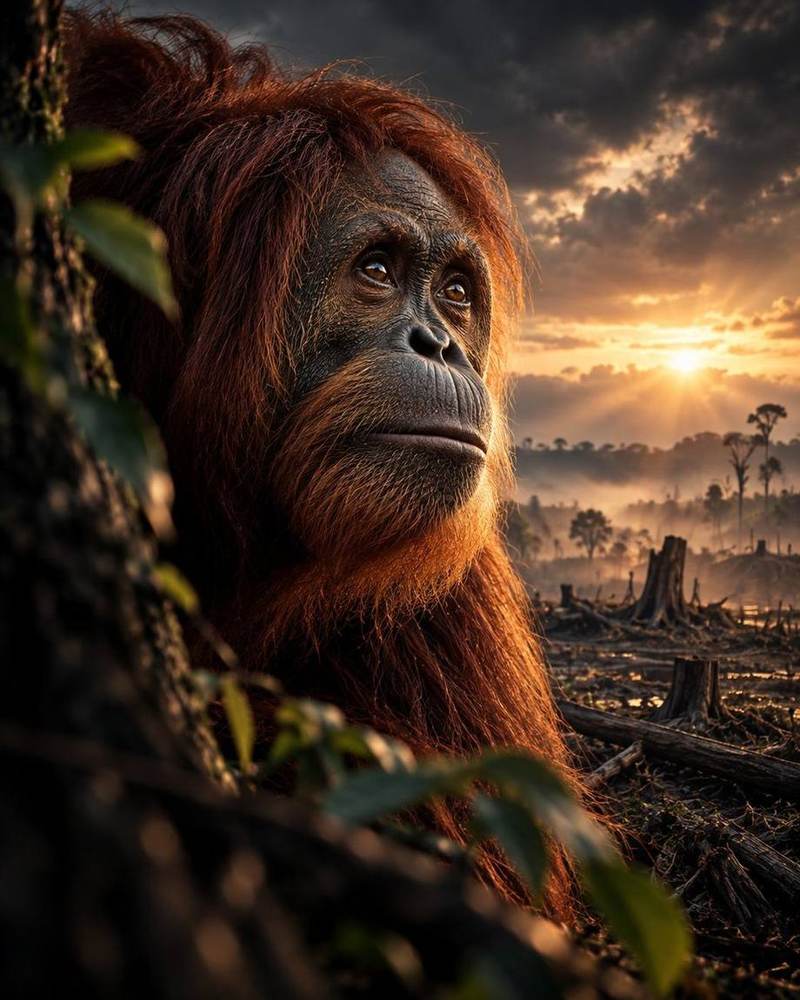
Through Their Eyes relies heavily on detail. The expression in the animal’s eyes, the texture of fur and skin, and the landscape surrounding each animal are all part of the story. I therefore wanted the physical print to retain as much of that detail as possible.
A piece such as The Last Tree is not simply an orangutan portrait. The surrounding landscape is part of the meaning of the work. Likewise, the smallest details within the animal’s face help create the emotional connection that the collection is built around.
Printing is therefore part of the artwork rather than simply the final stage of production.
What should you look for when buying a fine art print?
Before purchasing, look for clear information about:
- Paper — What is the artwork printed on?
- Size — Are the dimensions clearly stated?
- Edition — Is the work open edition or limited in some way?
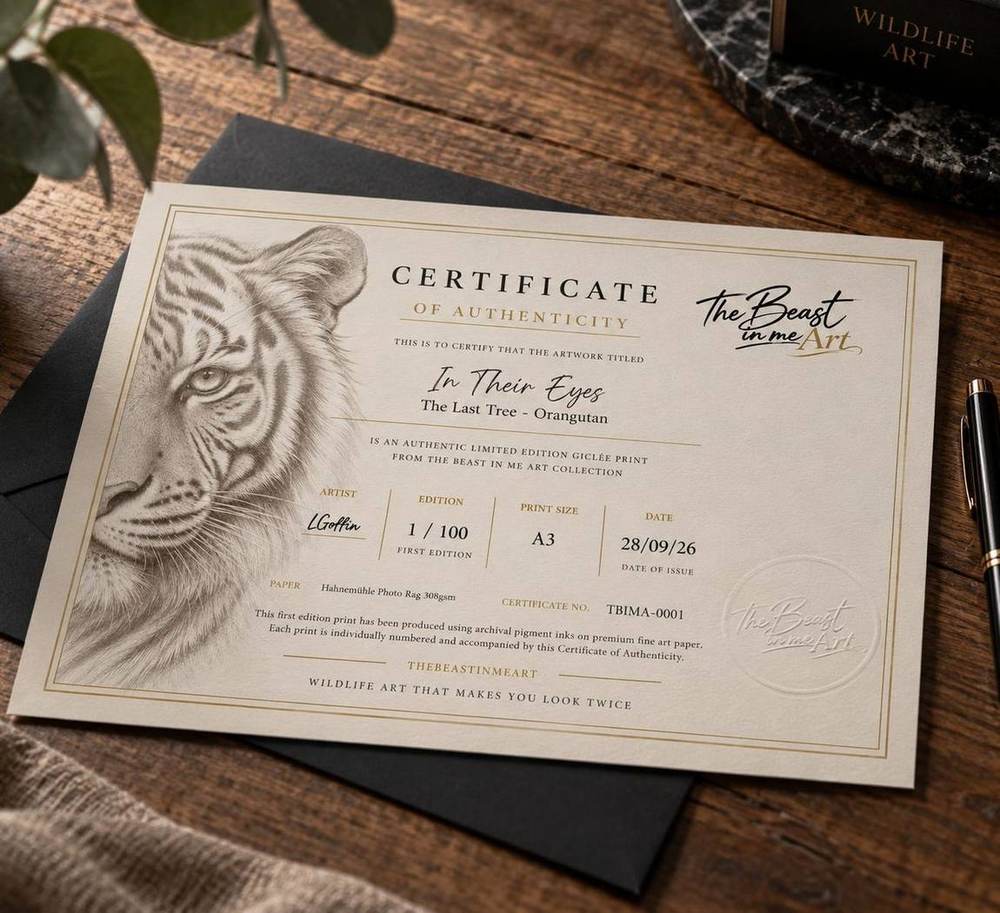
- Certificate — Does the artwork include a certificate of authenticity?
- Framing — Is a frame included or is the artwork supplied as a print only?
- Production information — Does the artist or seller explain how the work is made?
Transparency matters. A collector should know what they are buying.
Explore Through Their Eyes
The Through Their Eyes collection is available as premium fine art giclée prints in A3, A2 and A1. The first 100 prints of each artwork across all sizes form the First Edition release.
Explore the collection and discover the story behind each piece.
Lucy Goffin is the founder of The Beast in Me Art, a contemporary wildlife art brand focused on animal portraiture, storytelling and the changing relationship between wildlife and the world around us.