Wildlife Wall Art: How to Choose the Right Piece for Your Home
How to choose wildlife wall art for your home, from finding the animal you connect with to the story behind the piece.
Wildlife art can completely change the atmosphere of a room.
A powerful animal portrait can create a focal point, bring warmth to a neutral interior and add something much more personal than purely decorative wall art.
But with so many styles, animals and pieces available, how do you choose the right wildlife artwork for your home?
Here are the things I believe matter most.
Start with the animal you connect with
The best piece of art is rarely the one that simply matches the sofa. It is the one you continue to notice.
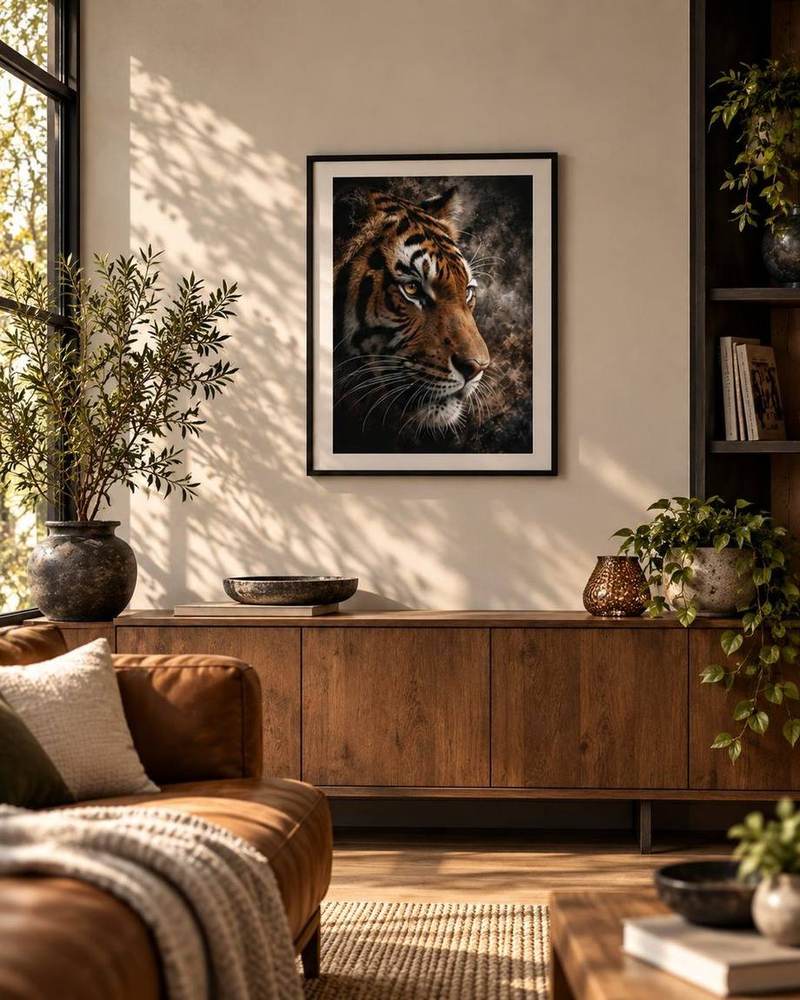
Different animals can create very different moods within a room. A lion can feel powerful and commanding. An elephant can bring a sense of calm and strength. A tiger can create drama and intensity, while a zebra or giraffe can introduce something more graphic and contemporary.
There does not need to be a complicated reason behind your choice. Sometimes you simply connect with an animal or with its expression, and that is usually a better starting point than choosing artwork purely because the colours work with the room.
Consider the atmosphere of the artwork
Wildlife wall art ranges from traditional animal paintings to minimalist photography and highly detailed contemporary prints. Think about what you want the room to feel like.
For a modern or minimalist space, a strong portrait against a simple background can work particularly well. For warmer, more natural interiors, wildlife imagery containing landscape, foliage or earthy colours can connect beautifully with materials such as wood, linen and stone.
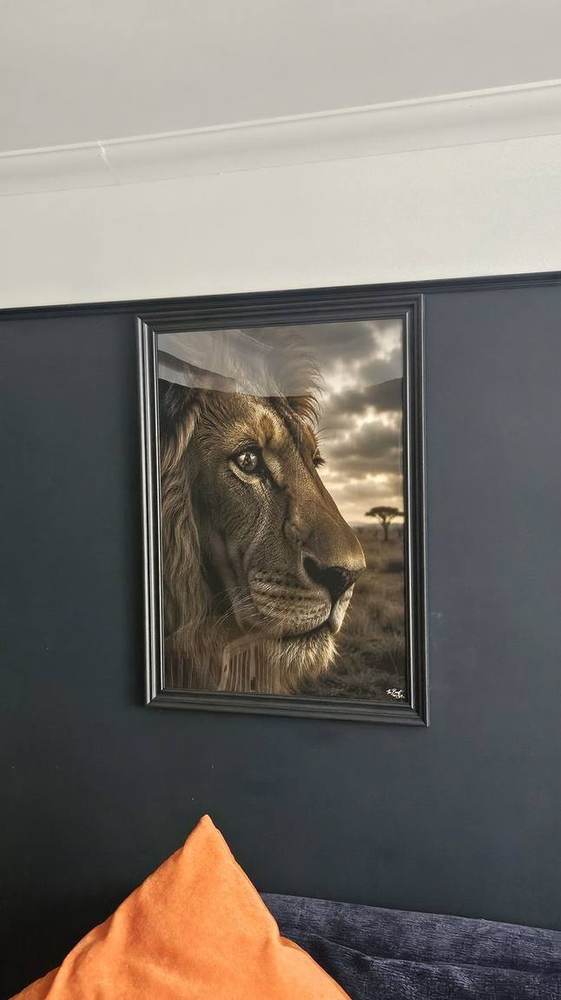
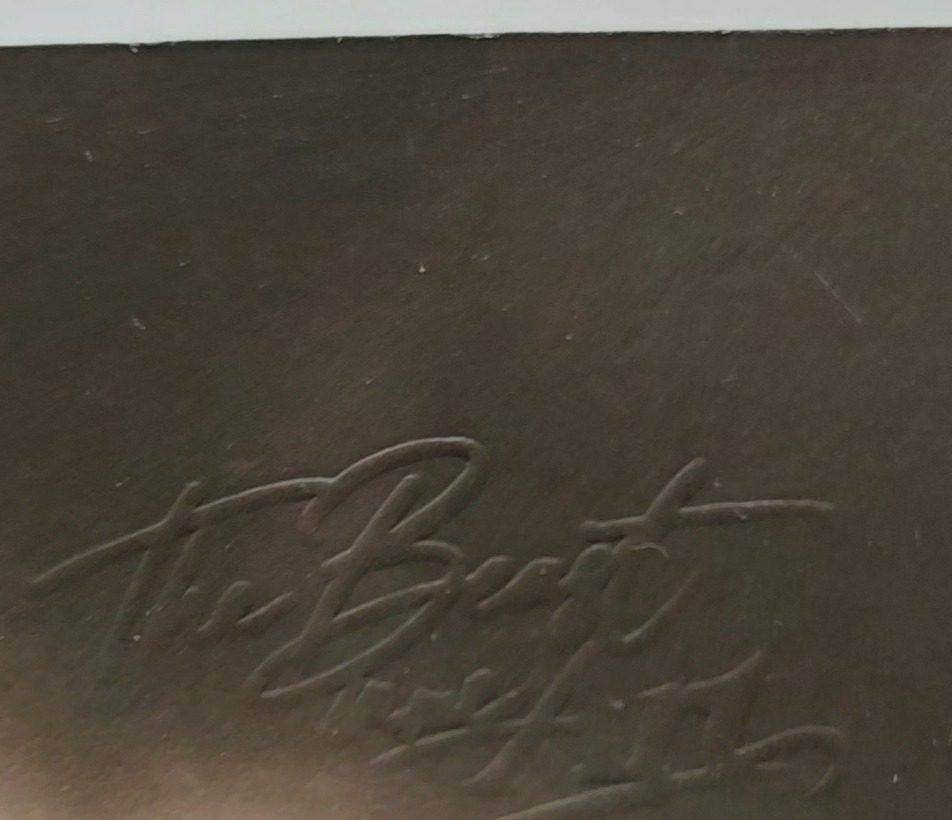
The Through Their Eyes collection at The Beast in Me Art takes this a step further. Rather than presenting each animal simply as a portrait, the collection places wildlife within a wider story about the environment around it. The result is artwork designed to create an emotional response as well as decorate a space.
Don't choose art only to match your décor
Your furniture may change. Your wall colour may change. A piece of artwork you genuinely love can stay with you for years.
For that reason, I would always choose the artwork first because of the connection you have with it, and then consider how best to style it within the room. The most successful interiors often contain pieces that say something about the person who lives there rather than simply following a trend.
Getting the size and styling right
Once you’ve found a piece you connect with, two things make the biggest difference to how it looks on your wall: the size you choose and how you frame and position it. I’ve covered both in detail — see Choosing the Right Size for Your Wildlife Art and How to Style Wildlife Art.
Wildlife art with a story
For me, wildlife art becomes more interesting when there is something behind the image. That thinking led to Through Their Eyes.
The collection includes ten wildlife artworks, each exploring a different animal and the changing world surrounding it. From The Last Tree, featuring an orangutan affected by disappearing forest, to Plastic Tide, exploring the impact of pollution on marine wildlife, every piece has its own story.
The portrait draws you in. The story gives you another reason to look.
Explore the collection
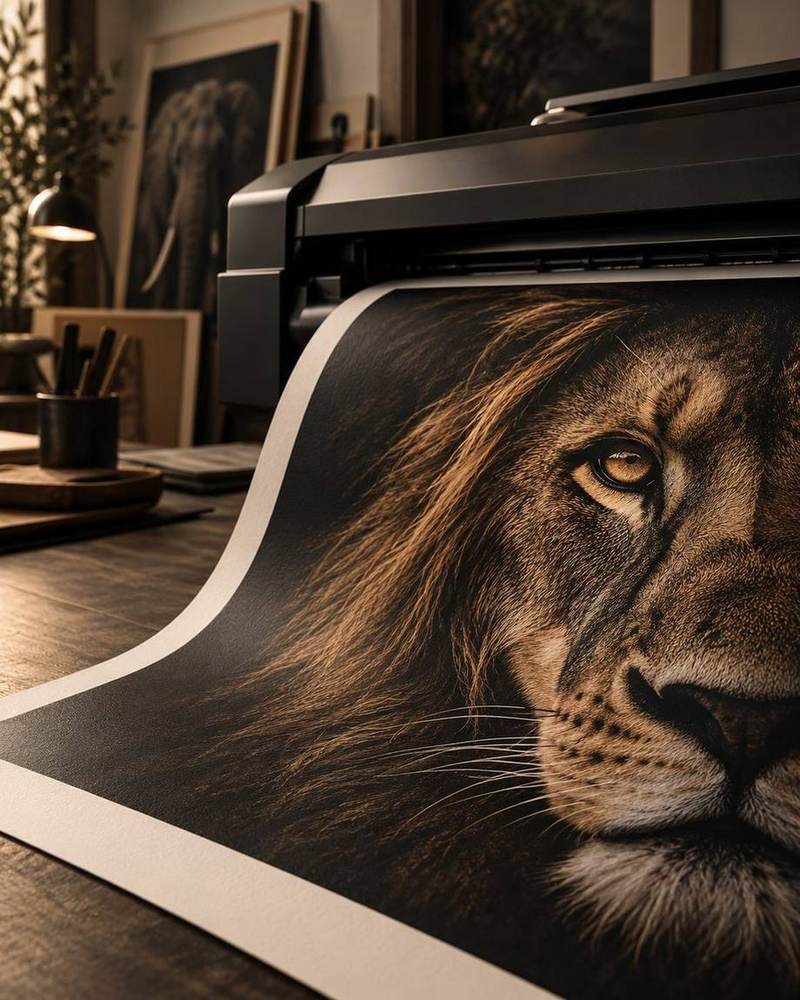
Discover the Through Their Eyes wildlife art collection and find the piece that speaks to you. Available in A3, A2 and A1 fine art giclée prints — see What Is a Giclée Print? for more on what that means. Purchases are currently completed securely through The Beast in Me Art Etsy shop.
Lucy Goffin is the founder of The Beast in Me Art, a contemporary wildlife art brand focused on animal portraiture, storytelling and the changing relationship between wildlife and the world around us.