What Makes a Fine Art Print Collectable?
What actually separates a collectable fine art print from a disposable poster, from editions and documentation to provenance and condition.
Not every print is bought as a collector's item, and it doesn't need to be. But if you're drawn to the idea of building a small collection, or you want to understand what separates a considered piece from a disposable poster, a few things tend to matter more than others.
A clear identity behind the work
Collectable prints usually come from an artist or studio with a recognisable point of view, rather than a generic image chosen because it might sell. That might be a consistent subject, a consistent technique, or a consistent idea running through the work, something that makes a piece feel like part of a body of work rather than a one-off.
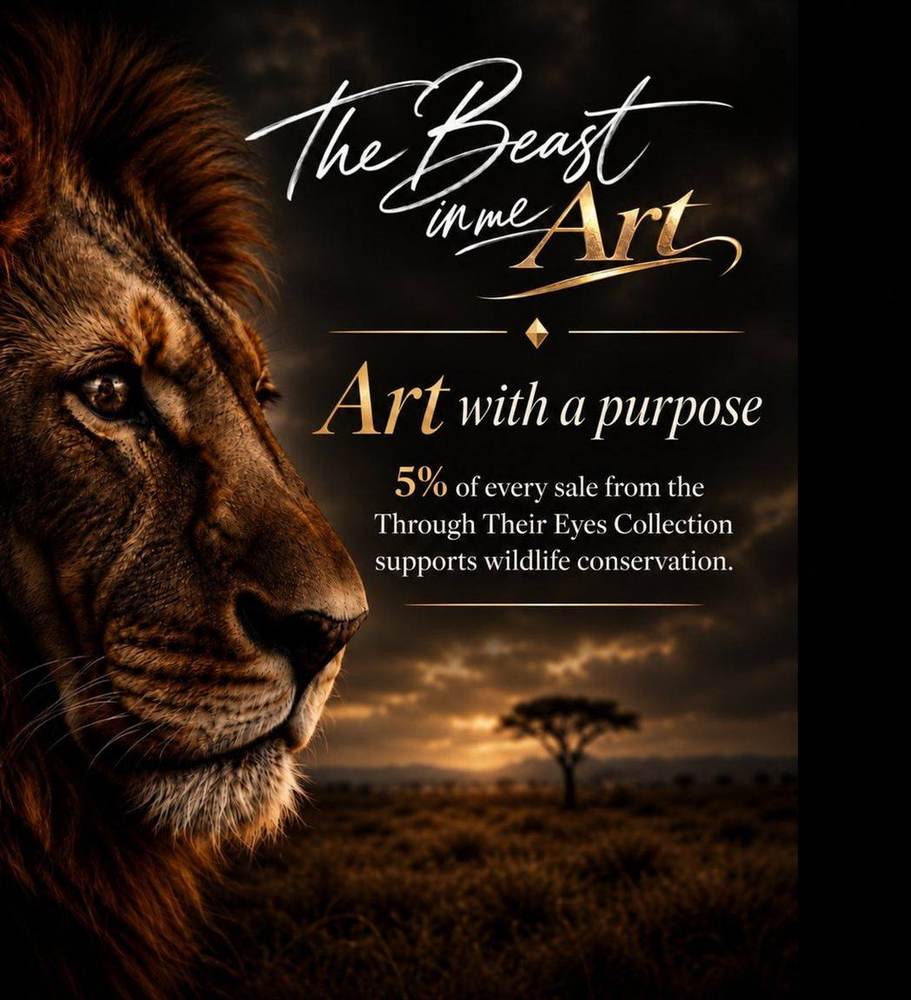
The Through Their Eyes collection, for example, is built around one idea across all ten pieces: wildlife shown within a wider story about a changing, human-influenced world, rather than ten unrelated animal portraits.
Editions and numbering
Whether a print is open edition or limited matters because it tells you how many others exist. A numbered, limited print signals that the artist or seller has deliberately restricted supply, rather than printing indefinitely on demand.
If you want the detail on how this works for Through Their Eyes specifically, see First Editions Explained.
Documentation and certificates
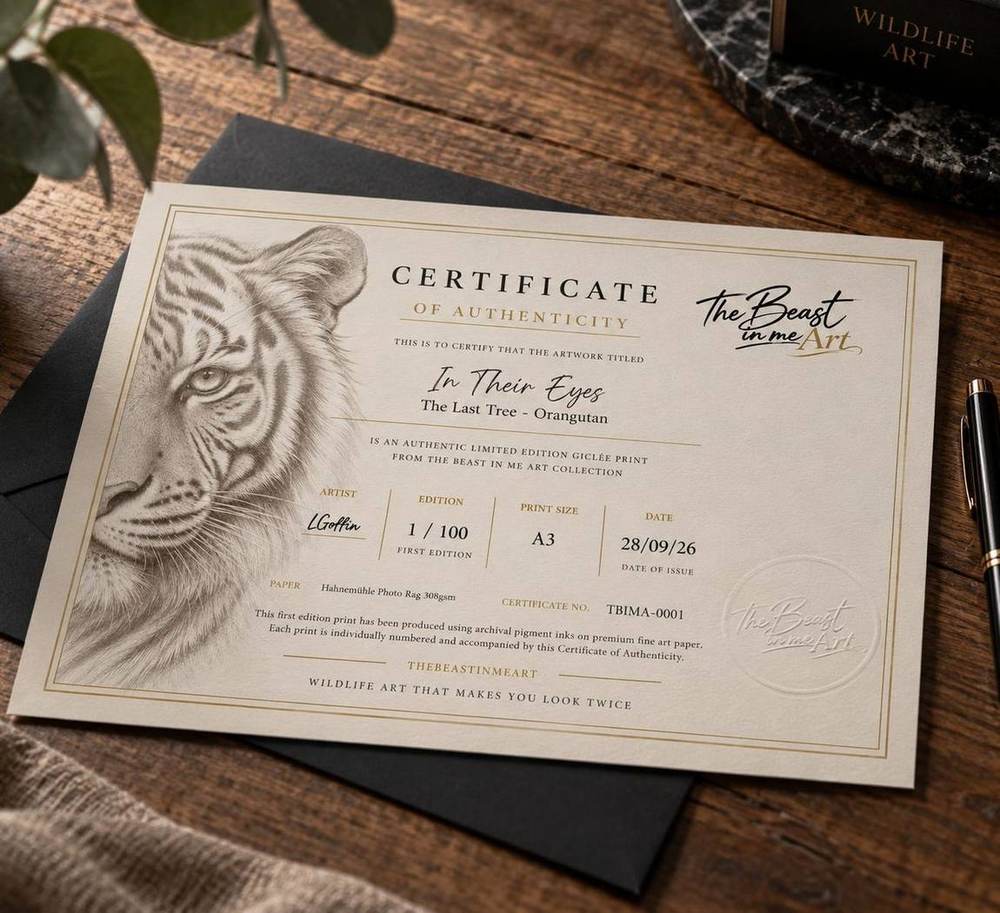
A certificate of authenticity, stating the edition number and confirming the work's origin, is a basic piece of documentation worth looking for. It won't tell you everything about a piece, but its absence is usually a sign that editions aren't being tracked carefully.
Print quality and materials
How a piece is produced is part of what makes it collectable, not just how it was conceived. Paper weight, ink quality and printing method all affect how a piece ages and how it feels in person. We've written more about this in What Is a Giclée Print?
Provenance and condition
Provenance, where a piece came from and how it has been handled since, matters more as prints change hands over the years. Buying directly from the artist or studio, and keeping any paperwork that comes with the piece, makes that history easy to establish later.
Condition matters just as much. A print kept out of direct sunlight, properly framed and handled carefully will hold its character far better over time than one left unframed or exposed to strong light.
The story behind the piece
Beyond the physical object, what keeps a print interesting over years of ownership is usually the idea behind it. A piece you can say something about, why it was made, what it explores, tends to stay meaningful long after a purely decorative piece has faded into the background.
What to be cautious of
Not every print marketed as limited or collectable is tracked carefully. A number printed on a certificate means little if there's no clear record of how many were made, or if print runs can be quietly extended later. Buying directly from the artist or studio, where the numbering and the story behind the work are both visible, makes this far easier to verify than buying through a third party with no connection to how the piece was produced.
A note on value
None of this is a guarantee of future financial value, and we'd be cautious of anyone who tells you otherwise. The reasons above are about what makes a print worth owning and living with, not a prediction of what it might be worth later.
Explore Through Their Eyes
Through Their Eyes was built with these questions in mind, from the concept behind each piece to the numbered First Edition release and the paper it's printed on. Explore the collection.
Lucy Goffin is the founder of The Beast in Me Art, a contemporary wildlife art brand focused on animal portraiture, storytelling and the changing relationship between wildlife and the world around us.