How to Style Wildlife Art
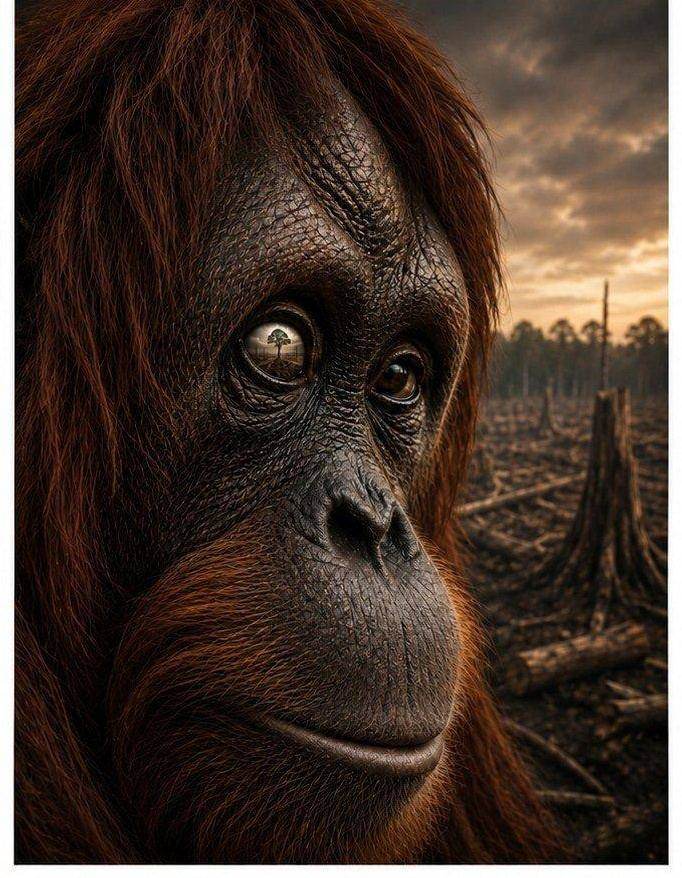
Wildlife art doesn't have to mean traditional interiors.
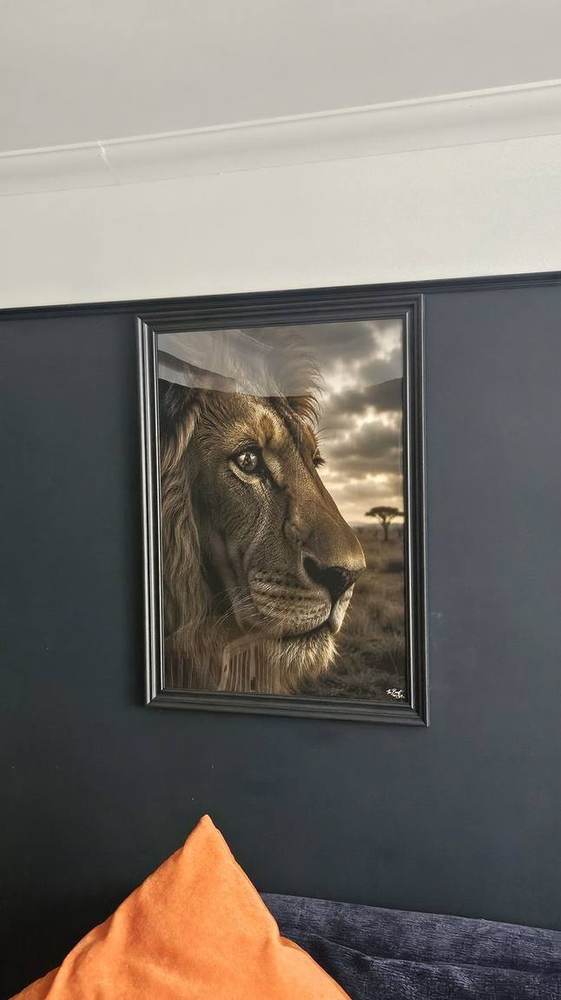
Wildlife art does not have to mean traditional interiors.
A powerful animal portrait can work just as effectively in a contemporary living room, minimalist hallway or modern office as it can in a more classic home.
The key is giving the artwork enough space to breathe.
Let one piece become the focus
A large wildlife print can act as the main feature of a room.
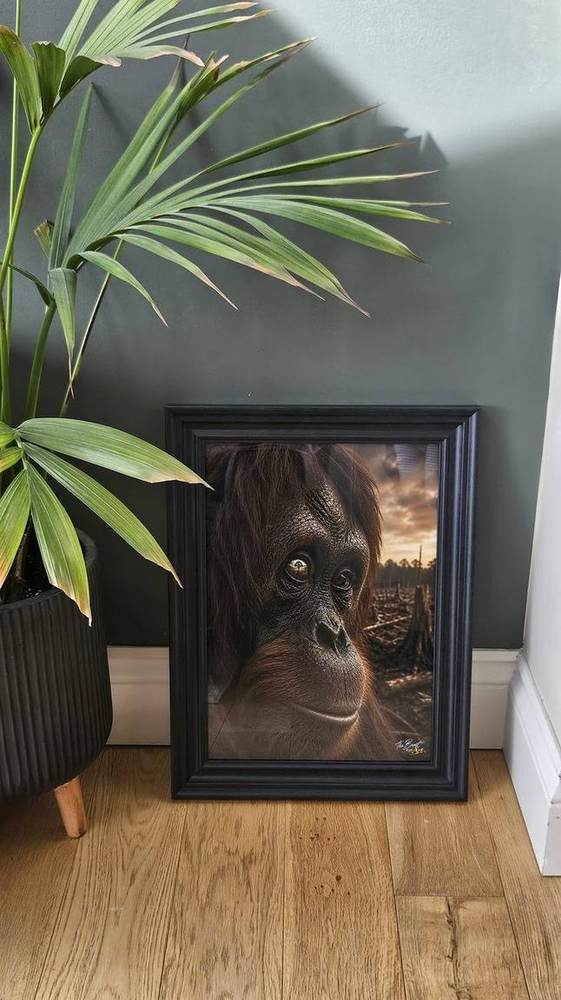
An A1 portrait above a sofa, sideboard or fireplace often needs very little surrounding decoration. Allowing negative space around the frame makes the artwork feel more deliberate and gives the image greater impact.
Use a simple frame
Black, white and natural wood frames all work particularly well with wildlife imagery.
A simple frame keeps attention on the artwork rather than competing with it.
Create a collection
Multiple prints can also work together.
Choose two or three pieces with a similar visual style and hang them at the same height with consistent spacing. Using matching frames will make separate artworks feel like one considered collection.
Think about the room, not just the wall
Look at the colours, textures and materials already present in your space.
Neutral interiors allow dramatic wildlife portraits to become a focal point, while natural materials such as wood, linen and stone can complement the connection to the natural world.
Most importantly, choose an artwork because you feel something when you look at it.
Interior trends change. A piece that means something to you will last considerably longer.
Looking for a wider guide to choosing a piece in the first place? See Wildlife Wall Art: How to Choose the Right Piece for Your Home.
Lucy Goffin is the founder of The Beast in Me Art, a contemporary wildlife art brand focused on animal portraiture, storytelling and the changing relationship between wildlife and the world around us.
Stay close to the story.
New artwork, collection releases and stories from behind The Beast in Me Art.